
Most of the well-known UAP records — Project Blue Book, the Navy videos, the AARO historical report — are already public. But plenty of documented material still isn’t, and a Freedom of Information Act (FOIA) request is the actual mechanism for getting it. Here’s how the process really works, and when it’s worth using instead of just searching what’s already released.
This page contains an affiliate link. If you make a purchase through it, we may earn a commission at no extra cost to you.
When You Actually Need a FOIA Request
Check the already-released archives first — Project Blue Book records, the National Archives’ RG 615 UAP collection, AARO’s own historical report, and Fold3’s already-digitized military records archive (covered in more depth in our guide to what’s already searchable) cover a large share of what most researchers are looking for, and none of it requires a request. A FOIA request is the right tool specifically when you’re after something more specific: a named agency’s records on a particular incident, internal correspondence, or material that hasn’t been swept into a general declassification batch yet.
The Actual Process
- Identify the right agency. FOIA requests go to the specific agency that holds the records — the Air Force, the CIA, the Department of Defense, or NASA, depending on what you’re after. A request sent to the wrong agency just gets forwarded or bounced, costing you time.
- Describe the record as specifically as you can. A vague request (“everything about UFOs”) gets deprioritized or rejected outright. Naming a specific case, date range, program, or document type gets processed faster and is far more likely to return something useful.
- Include your name, address, and a fee-category statement. Most agencies process a baseline amount of search/copy time free for individual requesters; stating you’re an individual (not a commercial requester) generally keeps you under that threshold.
- Submit and wait. Agencies vary widely in response time — some process requests in weeks, others take months, particularly for anything requiring classification review before release.
The Faster Alternative: PURSUE
As of 2026, a growing share of UAP-related material is being released proactively through PURSUE (the Presidential Unsealing and Reporting System for UAP Encounters) rather than requiring an individual FOIA request at all. PURSUE releases include reports, photographs, video, witness accounts, military records, and other historical material tied to previously unresolved cases. Checking PURSUE’s released batches before filing a FOIA request is worth doing first — if the material you want has already gone through this proactive release process, a formal request is redundant.
Setting Realistic Expectations
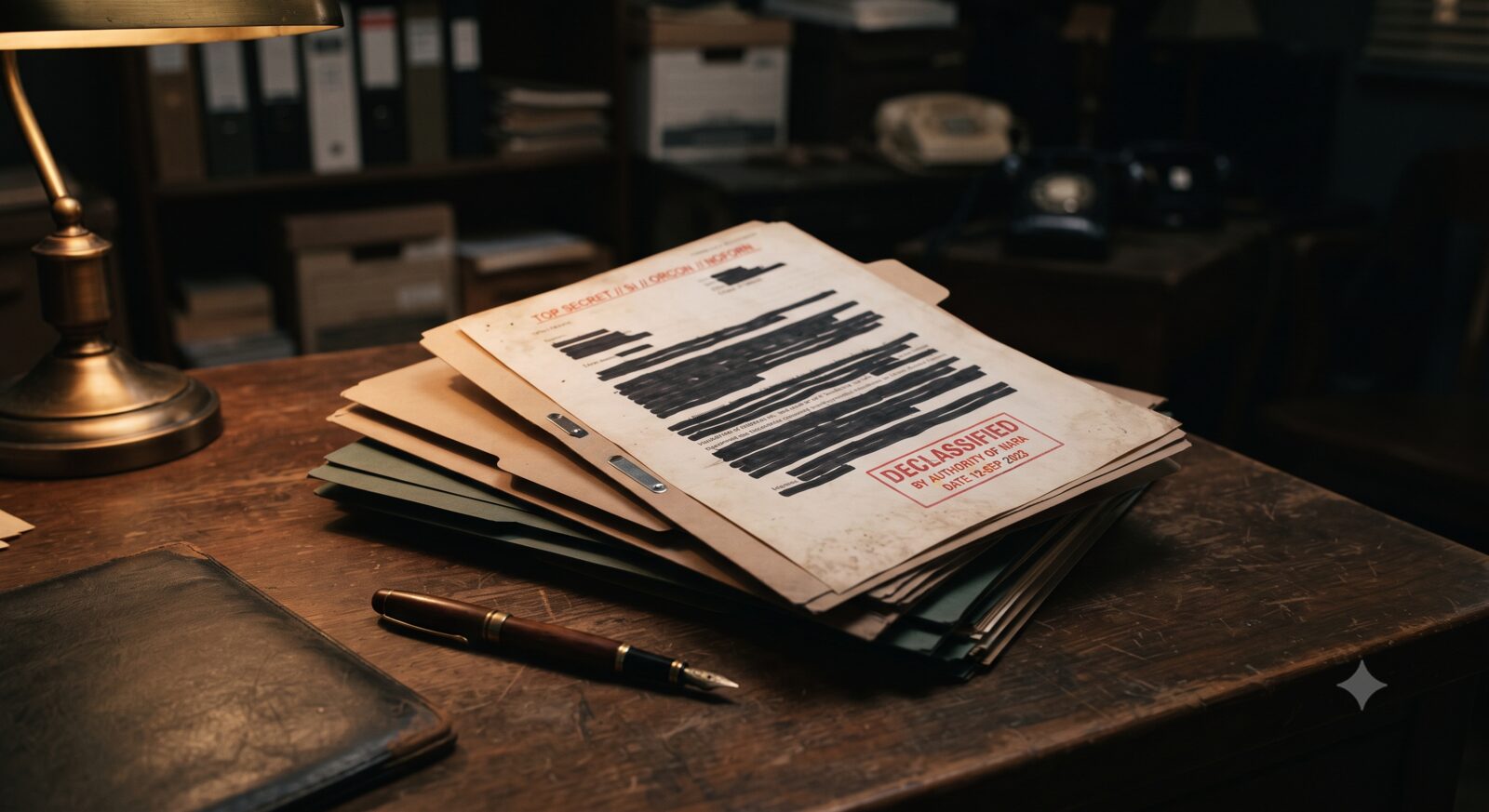
A FOIA request doesn’t guarantee the record you want gets released in full. Agencies can withhold material under specific statutory exemptions — national security classification, ongoing investigations, or personal privacy being the most common in this subject area — and can release a document with sections redacted rather than withheld entirely. A rejection or heavily redacted release isn’t necessarily a dead end: requesters can appeal a denial, and appeals are reviewed by a different official than the one who made the initial decision.
While a request is pending, it’s worth checking whether the record you’re after is already sitting in an existing archive — Fold3’s military records search indexes a large volume of already-digitized material that never required a FOIA request to begin with.
Frequently Asked Questions
Does filing a FOIA request cost money?
Usually not for an individual requester within the standard free search/copy allowance — most casual research requests fall well under that threshold. Larger or commercial requests can incur real search and duplication fees.
Can I file a FOIA request for a case that’s already been publicly discussed?
Yes — public discussion of a case doesn’t mean every related document has been released. Underlying files, internal analysis, or supporting material can still be genuinely unreleased even for well-known cases.
What happens if my request is denied?
You can file an administrative appeal, reviewed by a different official than the one who issued the denial. If the appeal is also denied, the next step is federal court — a real option, but one most individual researchers won’t need for general historical research.