Congress has held public hearings on unidentified flying objects twice in its history, separated by more than five decades of near-total silence on the subject. Understanding that gap — and what actually happened at each end of it — matters more than most current coverage explains.
This page contains an affiliate link. If you make a purchase through it, we may earn a commission at no extra cost to you.
The First Round: 1966-1969
Congressional interest in UFOs first became public in 1966, when then-Congressman Gerald Ford, responding to a wave of sighting reports in his home state of Michigan, formally called for both an Air Force report on the subject and congressional hearings. A House Armed Services Committee hearing that same year examined UFO reports directly. A follow-up House hearing in 1968 approached the subject differently — as a scientific and policy question rather than purely a defense one, bringing in outside scientists to testify.
That first era of congressional attention closed out in 1969, coinciding with the Air Force’s own decision to shut down Project Blue Book, its UFO investigation program, after concluding the sightings it evaluated didn’t represent a national security threat. No further public congressional hearing on the subject took place for the next 53 years.
The Second Round: 2022-2023
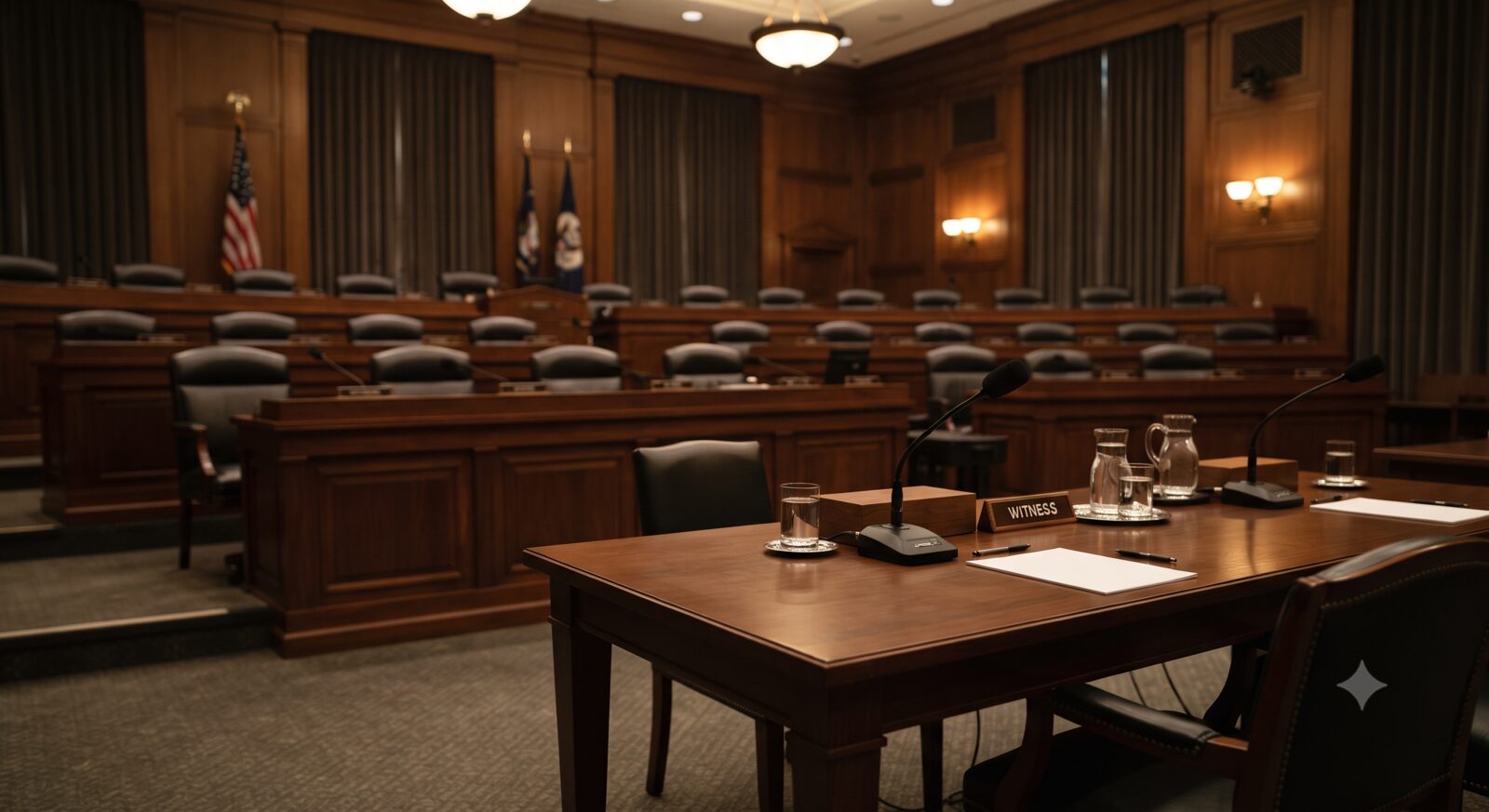
That silence broke on May 17, 2022, when the House Intelligence Subcommittee on Counterterrorism, Counterintelligence, and Counterproliferation held the first public congressional hearing on the subject in over half a century. Senior military and intelligence officials testified about the state of official military UAP reporting.
A second, higher-profile hearing followed in July 2023. That session drew far more public attention, largely due to testimony from David Grusch, a former member of the Pentagon’s UAP task force, who told the committee under oath that the government has run an undisclosed program to recover and analyze material from non-human craft. Grusch’s claims were not independently corroborated during the hearing itself, and remain a genuinely contested part of the public record — worth stating plainly rather than treating as settled either way.
What Actually Changed Between the Two Eras
The 1966-69 hearings were driven by a wave of public sighting reports and treated the subject largely as a scientific curiosity with a side question about military relevance. The 2022-23 hearings were driven by internal military and intelligence whistleblower activity and treated the subject explicitly as a national security and government-transparency question — a meaningfully different framing, not just a repeat of the earlier round five decades later.
Where This Fits With the Rest of the Record
These hearings are the legislative branch’s part of the story — a separate track from the executive-branch investigation programs (Blue Book, Grudge, AATIP, and now AARO) covered on our page about the history of government UAP investigations. The hearings are where elected officials publicly question the executive branch about what those programs found; they aren’t themselves an investigation program.
Hearing transcripts and the records they reference are part of a much larger body of already-digitized government documentation — Fold3’s military records archive is one of the more useful places to search that broader record yourself.
Frequently Asked Questions
Were there really no congressional hearings between 1969 and 2022?
No public hearings specifically on UFOs/UAP during that span, correct — a genuinely long gap, and part of why the 2022 hearing was widely covered as historic in its own right.
Was David Grusch’s 2023 testimony proven true?
No — his claims were made under oath but were not independently verified during the hearing, and remain genuinely disputed. Treat this as testimony on the record, not as a confirmed finding.
Do congressional hearings result in new declassified documents?
Not directly and automatically — a hearing is testimony and questioning, not a declassification action. Hearings can create political pressure that leads to later declassification, but the two are separate processes.